
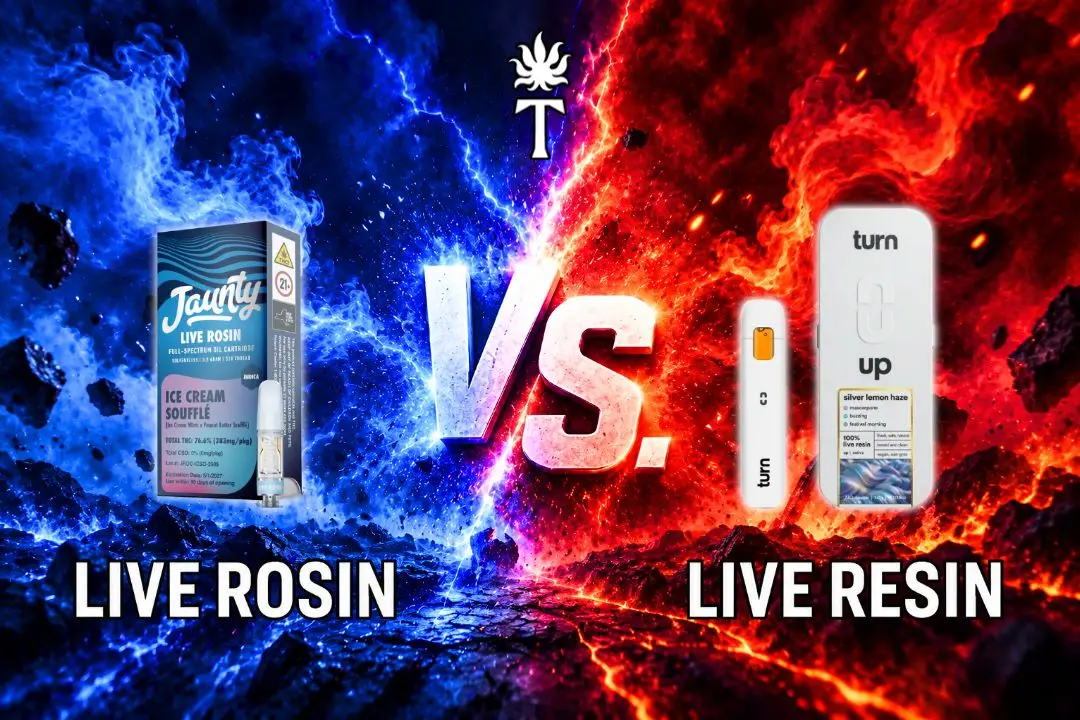
Two words. One letter apart. Very different price tags. If you have ever stood at the concentrate case trying to sort out live rosin vs live resin, you are in good company. The budtenders at Torches NYC field this question every day on 42nd Street.
Here is the good news. Both are premium, full-spectrum extracts made from fresh frozen cannabis, and both sit a tier above the standard distillate in most budget carts. The real difference comes down to one thing: how the oil leaves the plant. This guide covers how each one gets made, what that means for flavor and price, how to read a label, and which vapes and dabs we keep on the shelf.
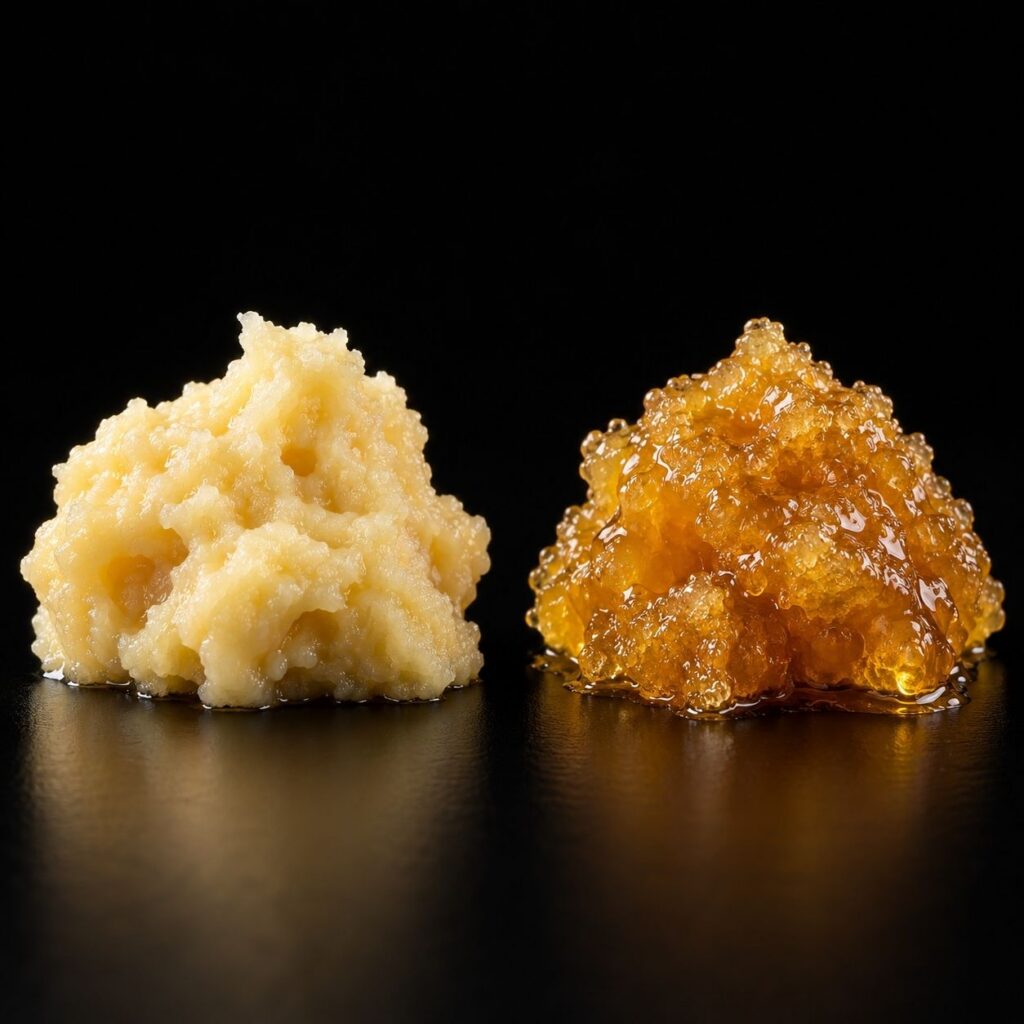
Live Rosin vs Live Resin: The Short Answer
Live resin uses a solvent…live rosin does not.
You wash frozen plant material with a hydrocarbon solvent like butane or propane, then purge that solvent out for live resin. Alternatively, live rosin is made using just ice, water, heat, and pressure. That is the whole recipe. If you landed here searching rosin vs resin, the same rule holds: rosin means solventless, resin means solvent-extracted.
That one fork in the road drives nearly everything else: yield, texture, and cost.
What “Live” Actually Means
“Live” has nothing to do with potency. It describes the starting material. Growers harvest the plant and freeze it right away instead of drying and curing it for weeks. Freezing locks in the volatile terpenes that tend to fade during a normal dry, so the finished extract may taste closer to the living plant.
Skip the freezer and you get the cured versions: cured resin and regular rosin, both made from dried flower. Cured products usually cost less and can still taste great, but “live” on the label signals a fresher, more terpene-forward starting point.
How Live Resin Gets Made
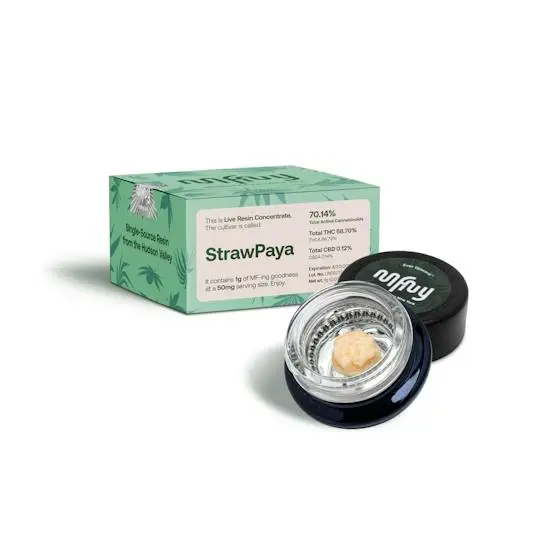
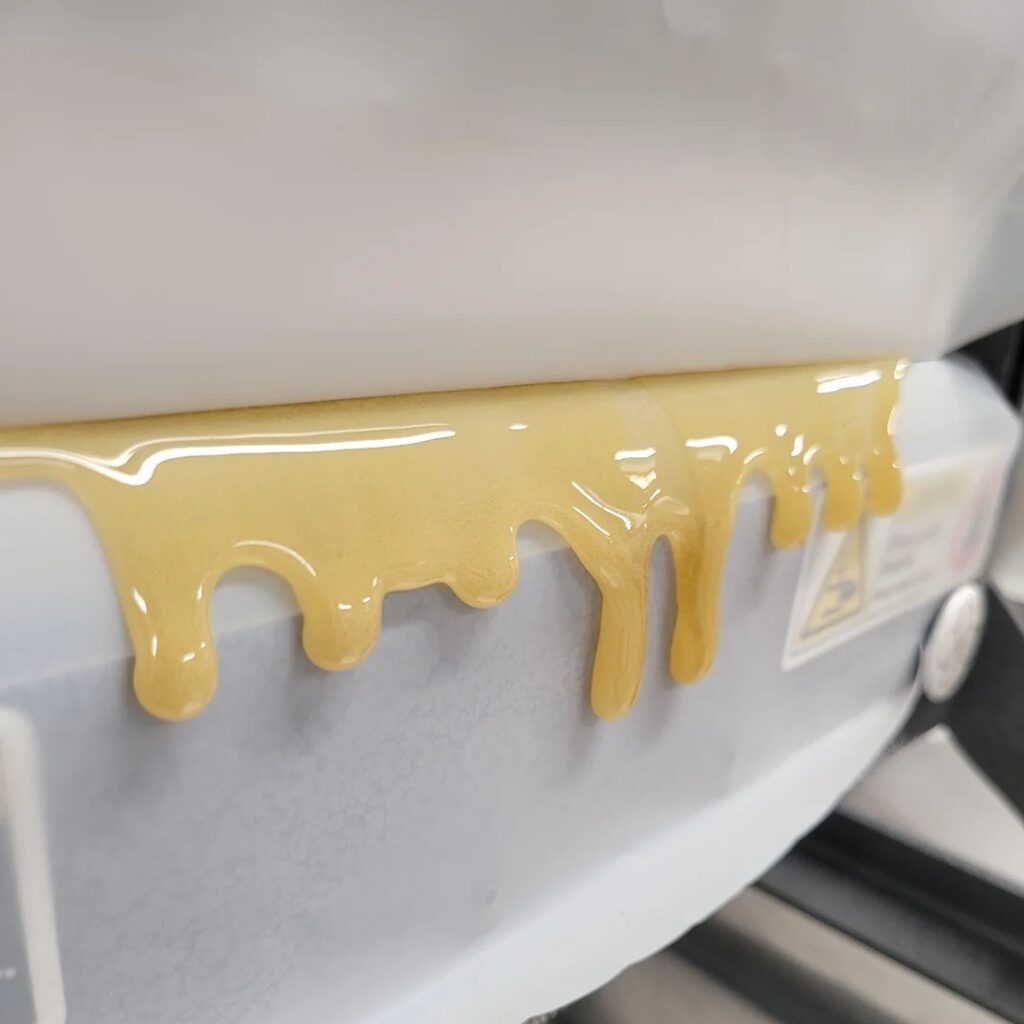
Live resin starts in a closed-loop extraction system. Frozen flower goes in, chilled hydrocarbon solvent washes through it, and the solvent pulls cannabinoids and terpenes off the plant. Technicians then purge the solvent with heat and vacuum, leaving behind sauce, badder, sugar, or diamonds depending on how they work the oil afterward.
In New York, concentrates must pass residual solvent testing at a state-permitted lab before they reach a shelf, according to the Office of Cannabis Management’s testing guidance.
The upside of resin? Efficiency. Solvents pull more oil from each pound of plant, which keeps prices friendlier and supply steadier.
How Live Rosin Gets Made
Live rosin takes the slow road, but it’s totally worth it. Makers stir frozen flower in ice water so the trichome heads snap off, then filter that water through a series of mesh bags sized in microns. What collects is ice water hash, also called bubble hash. After freeze-drying, the hash gets pressed between heated plates, and golden rosin oozes out onto parchment.
Many New York producers then cold cure the rosin, sealing it in jars at low temperatures so it whips into a soft, buttery badder. Jaunty, for example, screens its hash at 73 to 119 microns before pressing and curing.
The catch is yield. Only strains that wash well produce enough resin heads to make rosin worth it, and even then the return per pound runs low. More labor plus less oil equals a higher price.
Rosin vs Resin, Side by Side
| Live Resin | Live Rosin | |
| Extraction | Hydrocarbon solvent (butane or propane) | Ice, water, heat, and pressure |
| Starting material | Fresh frozen flower | Fresh frozen flower, washed into hash |
| Common textures | Sauce, badder, sugar, diamonds | Badder, jam, fresh press |
| Flavor | Bright, loud, terp-heavy | Tends to taste closest to the flower |
| Potency | May test a bit higher in THC | High, usually a touch lower |
| Price | Moderate | Premium |
| Storage | Cool, dark spot | Fridge helps hold texture |
Flavor, Potency, and Price
Flavor is where rosin fans plant their flag. With no solvent in the process, live rosin may deliver a cleaner, truer expression of the strain, which is why hash heads chase it. Live resin still brings plenty of flavor, and a well-made jar can go toe to toe with mid-tier rosin.
On potency, the gap stays small. Live resin can test slightly higher in THC because solvents grab more cannabinoids, but both land well above flower. Start with a small hit either way.
Price is the clearest split. Rosin regularly costs noticeably more per gram. You pay for the labor, the low yields, and the solventless process. Whether that premium makes sense depends on how much you value flavor and a solvent-free label.
Reading the Label: Is It Really Live?
This part trips up experienced shoppers too. Not every product with “live resin” on the box is 100% live resin. Some vapes blend distillate with live resin or cannabis-derived terpenes (CDT) for flavor. That does not make them bad products. It makes them different products, usually at a lower price.
A few things to check:
- “100% live resin” or “100% live rosin” signals the oil comes entirely from that extract.
- “Live resin infused” or “with live resin terpenes” usually points to a blend with distillate.
- “Solventless” should only appear on rosin, hash, or kief products.
- Terpene percentage on the lab results can hint at how much true extract went in.
When in doubt, ask a budtender to pull up the lab results. That is what we are here for.
Live Rosin vs Live Resin Vapes at Torches NYC
Vapes make the easiest side-by-side test. Grab one of each and let your taste buds settle it.
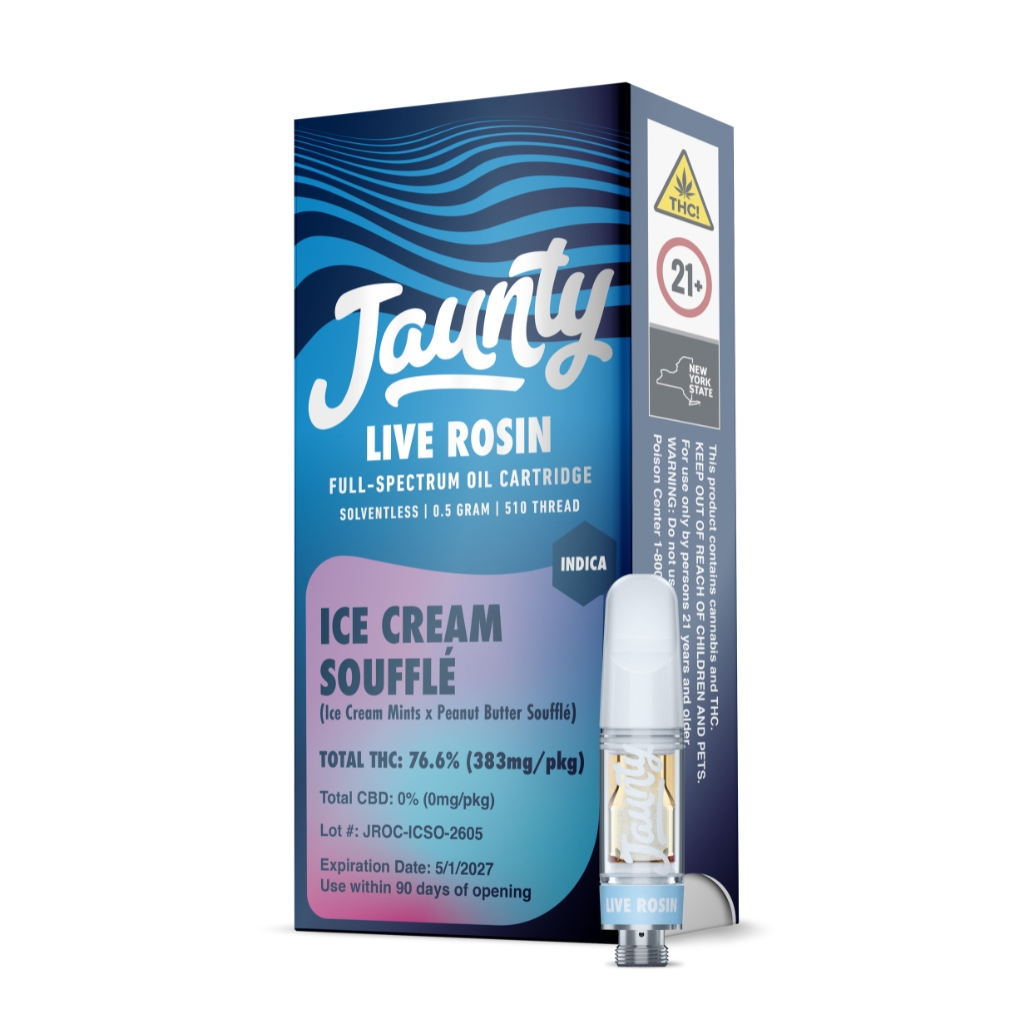
On the rosin side, Jaunty’s live rosin cartridges pack New York-made solventless oil into half-gram 510 carts, with strains like Ice Cream Souffle and Crunch N Munch. Rosin runs thicker than resin, so a lower voltage setting may help keep the flavor bright and the coil happy.
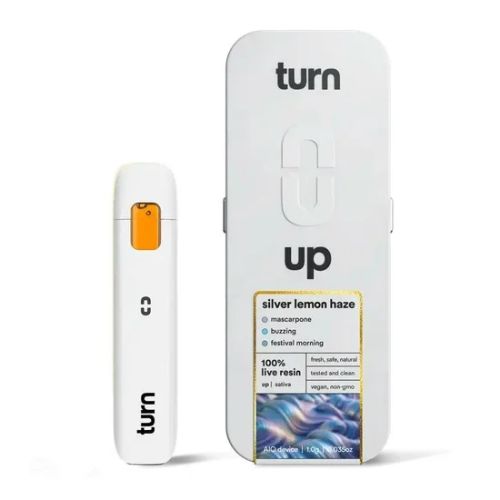
On the live resin side, Turn live resin disposables bring strain-specific, full-spectrum flavor to Midtown. Turn makes its oil from fresh-frozen plants that never get dried, then fills each 1g pen with 100% live resin and no cut or filler. Silver Lemon Haze stands out in the lineup. This sativa-dominant strain crosses Lemon Skunk with classic Haze genetics, and its bright lemon flavor might produce an energizing daytime smoke. A rotating mix of other Turn strains sits alongside it, and every disposable comes ready to pull with no battery or setup. Browse the full lineup of live resin vapes on our vaporizers page.
Dabbing Live Rosin and Live Resin
For dabbers, the jar is where both extracts shine brightest. Pick up a gram of each from our concentrates case and run them back to back on the same banger.
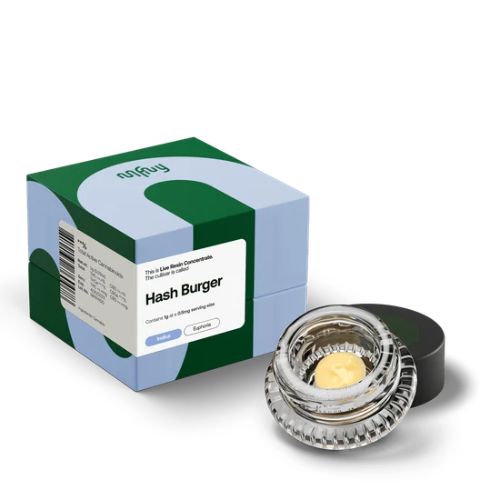
- Live resin: MFNY grows, freezes, and extracts in-house in the Hudson Valley, and its Hash Burger live resin badder makes a reliable benchmark. Soft, butter-like, and easy to scoop.
- Live rosin: Jaunty’s cold cure live rosin badder (E85, Ice Cream Souffle, Strawberry Meltz) and Olio’s cold cure rosin (Gas Tanker, Rainbow Wilson) cover the solventless side.
Low-temp dabs tend to preserve the most flavor, especially with rosin. Go too hot and you scorch the terpenes you paid extra for. A quartz banger and a carb cap make a real difference here. Keep all live rosin in the fridge between seshes.
Shop Live Rosin and Live Resin in NYC
Still torn on live rosin vs live resin? Come taste the difference. Torches NYC sits at 12 E 42nd Street, a short walk from Grand Central Terminal and Bryant Park, and we stay open late every night. Our budtenders can walk you through lab results, textures, and which format fits the way you smoke.
Rather stay put? Order Manhattan cannabis delivery and skip the trip. Join our rewards program too, so every jar and cart earns points toward the next one.
Resin vs rosin, there is no wrong answer. One gives you loud flavor at a fair price. The other gives you solventless purity at a premium. Try both and decide for yourself. Available for adults 21 and over with a valid ID.